Bird Dog, Retriever, & Performance Training
4T’s Gun Dogs develops dependable hunting companions for upland birds, waterfowl, hunt tests, field trials, and competition. From our Deer Park, Washington facility, we work with pointing dogs, flushing dogs, retrievers, and performance dogs for hunters and owners across Washington and North Idaho.
Training is built around the individual dog, its natural ability, experience, and the work you expect it to perform. From early introductions to birds, gunfire, cover, and water through advanced steadiness, retrieving, handling, range, and competition work, our goal is a confident dog that understands its job and hunts as part of the team.
Gun Dog Training Programs
Different hunting dogs perform different jobs. Our training is tailored to the type of dog, hunting style, field conditions, and level of performance the owner wants to achieve.
Flushing Dog Training
Developing close-working flushing dogs that hunt cover with purpose, stay within range of the gun, flush hard, and reliably retrieve game back to the hunter.
Pointing Dog Training
A cornerstone of 4T’s Gun Dogs, developing confident pointing dogs with range, bird sense, steadiness, control, and the ability to adapt to different birds, terrain, and cover.
Retriever Training
Progressive retriever development for upland hunting, waterfowl, hunt tests, and reliable field work on land and water.
Performance Training
Advanced preparation for field trials and hunt tests, including both competitive dog development and owner handling.
Flushing Dog Training
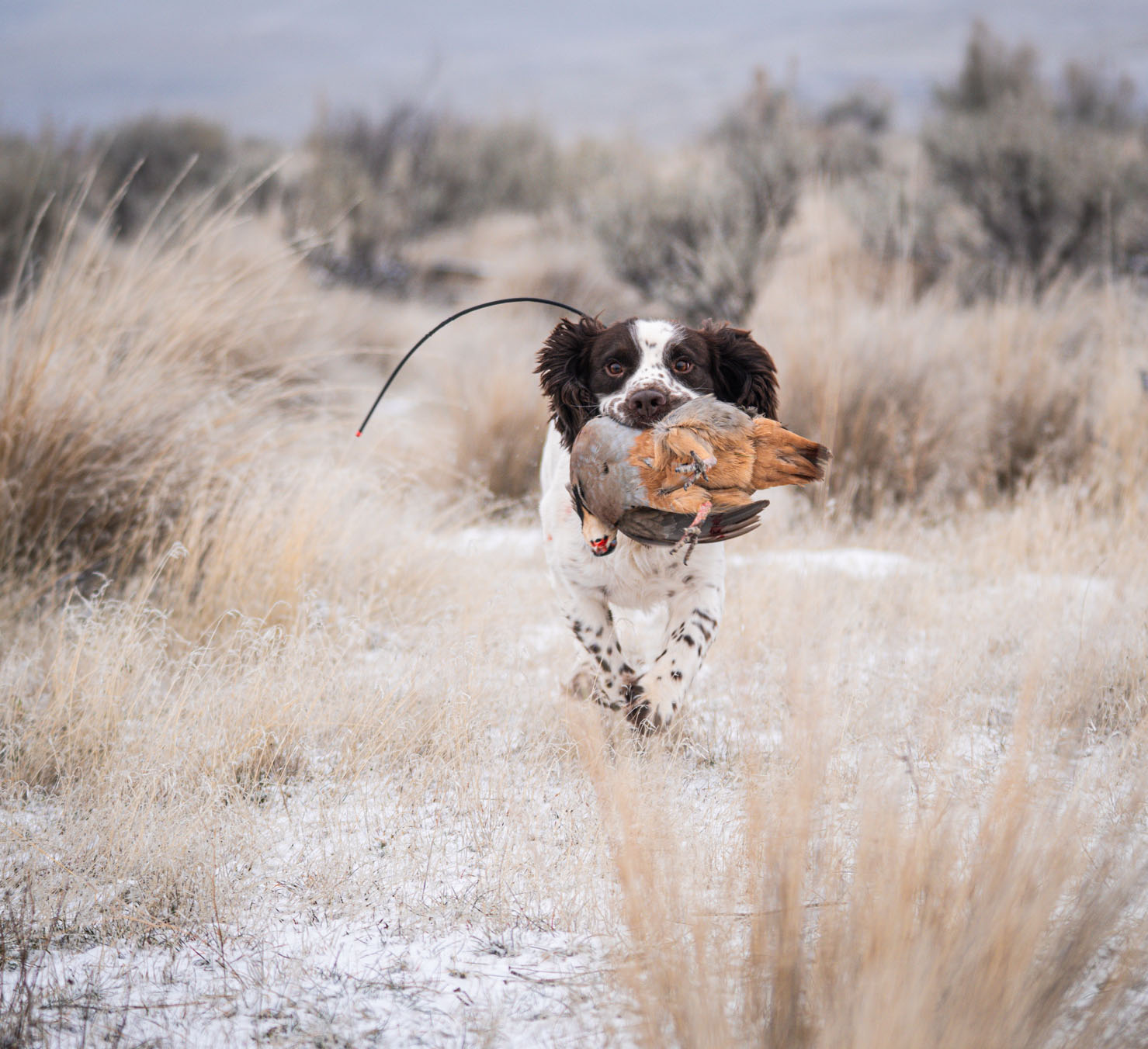
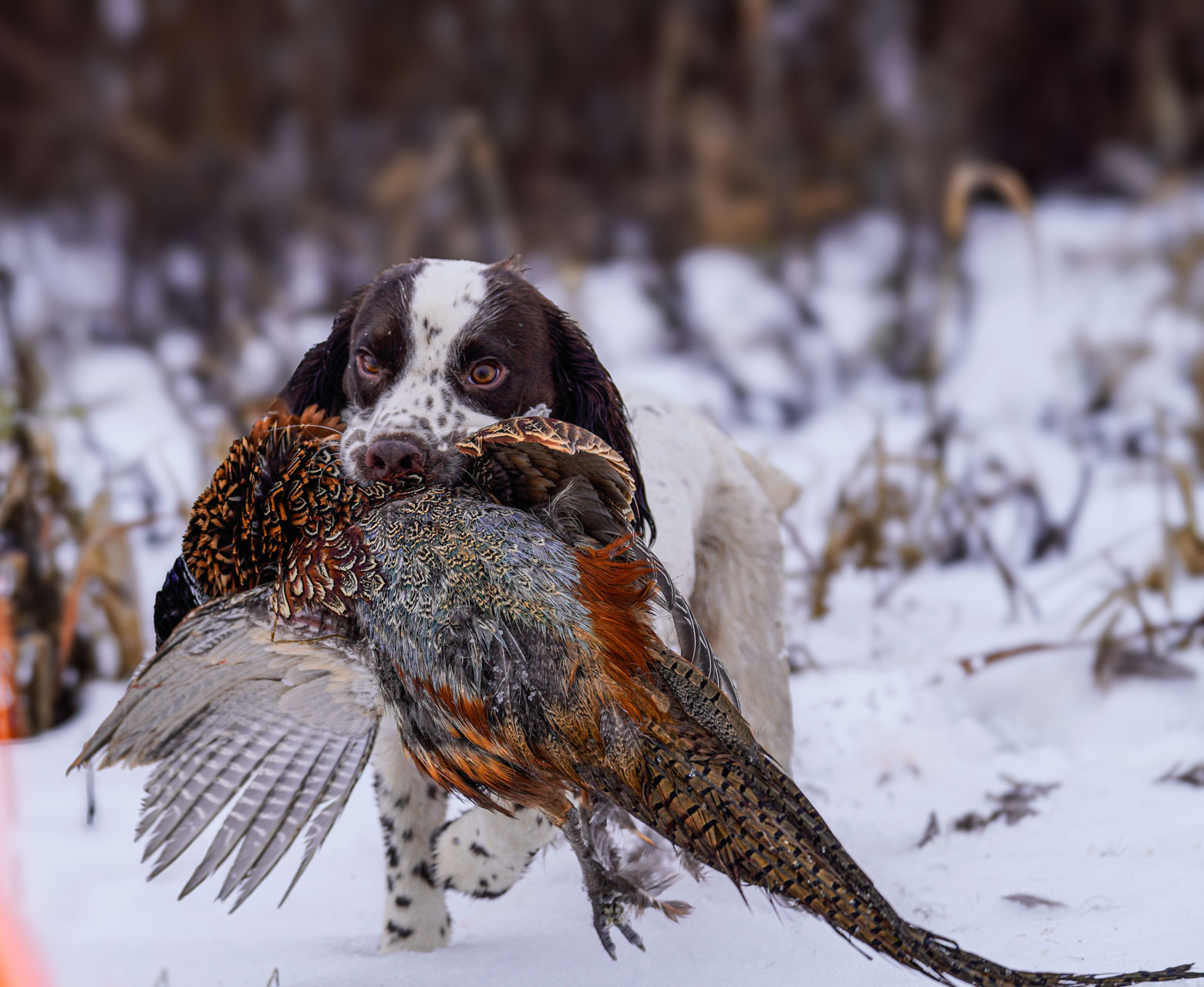
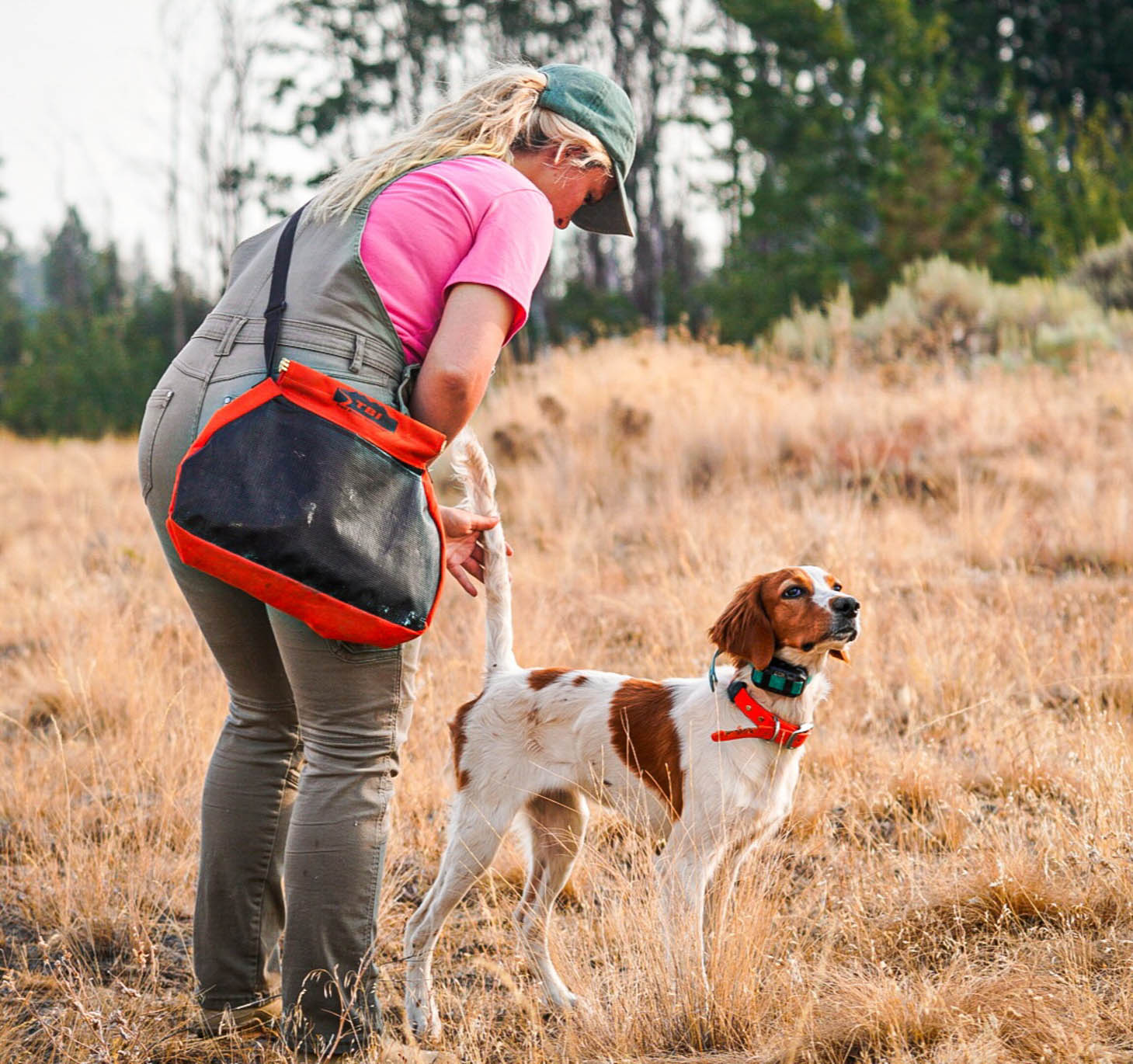
4T’s has developed a comprehensive approach to training flushing dogs for upland hunting. Whether working with a retriever, cocker spaniel, or another flushing breed, the goal is a dog that hunts productively within range of the hunter, works cover confidently, flushes birds with purpose, and retrieves game back to hand.
Training progresses from the foundations a young or inexperienced dog needs into greater control, steadiness, retrieving ability, and field experience.
Flushing Dog Foundations
- Introduction to birds
- Progressive introduction to gunfire
- Heel and sit
- Reliable recall
- Introduction to different types of cover
- Introduction to water
- Developing confidence and desire in the field
Advanced Flushing Dog Training
- Sit at distance from the handler
- Steady to wing and shot
- Multiple marked retrieves
- Quartering and productive use of cover
- Casting and handling
- Advanced water work
- Experience in different cover and terrain
- Exposure to different game birds
As the dog progresses, we work toward a balanced hunting companion that combines drive and independence with the range, responsiveness, and control needed in real upland conditions.
Pointing Dog Training
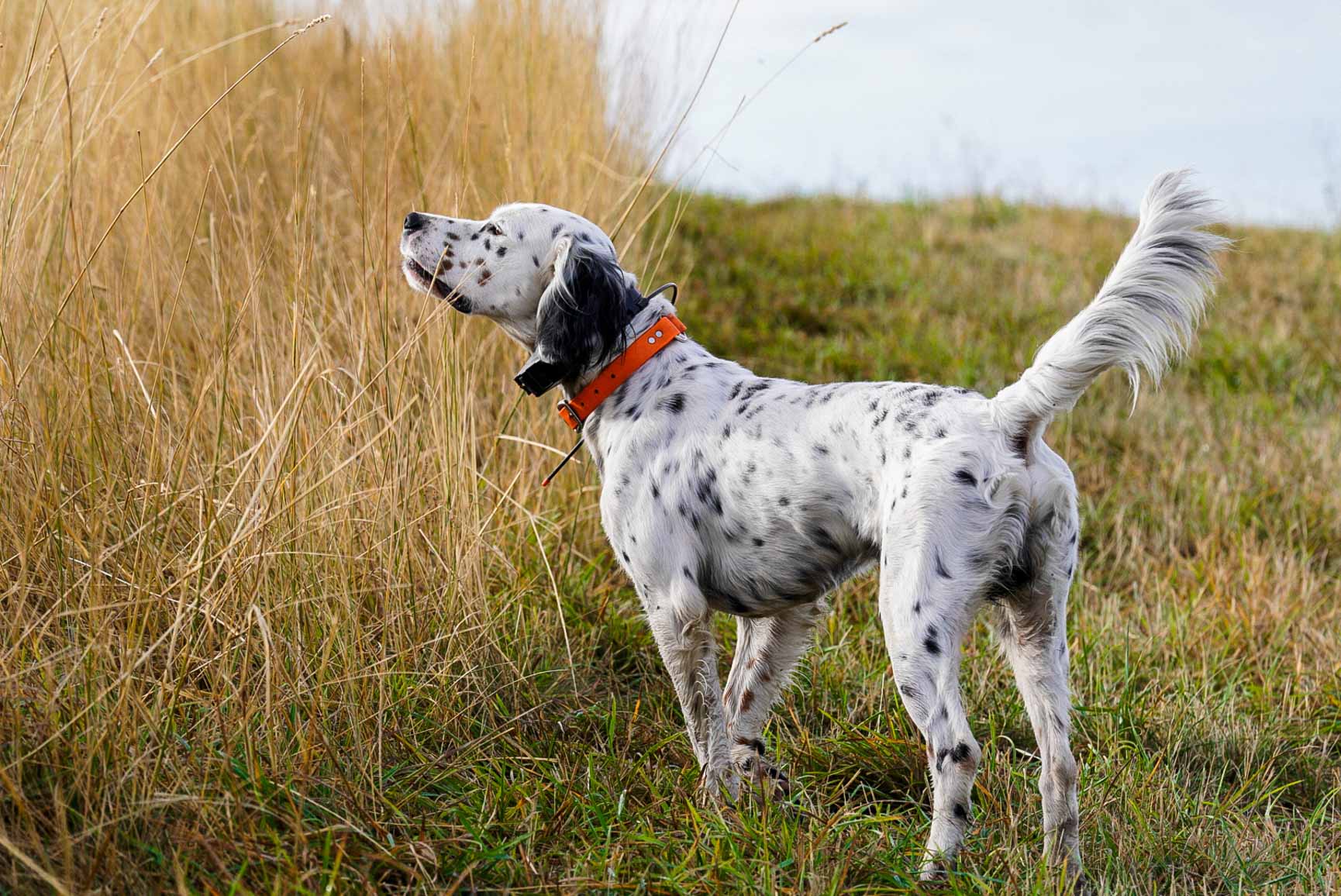
Pointing dogs are a cornerstone of what 4T’s Gun Dogs is known for. We take pride in developing hunting companions that understand their job, know how to search for game, hunt confidently with minimal unnecessary pressure, and remain connected to the hunter while working independently in the field.
A finished pointing dog should learn how to adapt its range to the situation, shortening up when terrain, birds, or cover demand it and reaching farther when conditions allow. We also want the dog to develop the confidence and steadiness to remain on point until the bird is produced.
Pointing Dog Foundations
- Crate training
- Learning to come and go with the handler
- Introduction to birds
- Progressive introduction to gunfire
- Introduction to whoa
- Heel, whoa, and recall foundations
- Building confidence around birds and field environments
Advanced Pointing Dog Training
- Whoa broke
- Steady to wing, shot, and fall
- Backing and honoring another dog’s point
- E-collar conditioning when appropriate
- Retrieving to hand
- Experience across different cover and terrain
- Hunting multiple species of birds
- Developed pattern and range
The goal is not simply a dog that performs drills. We want a pointing dog that learns how to hunt, understands birds and cover, uses its natural ability intelligently, and works confidently as part of the hunting team.
Retriever Training
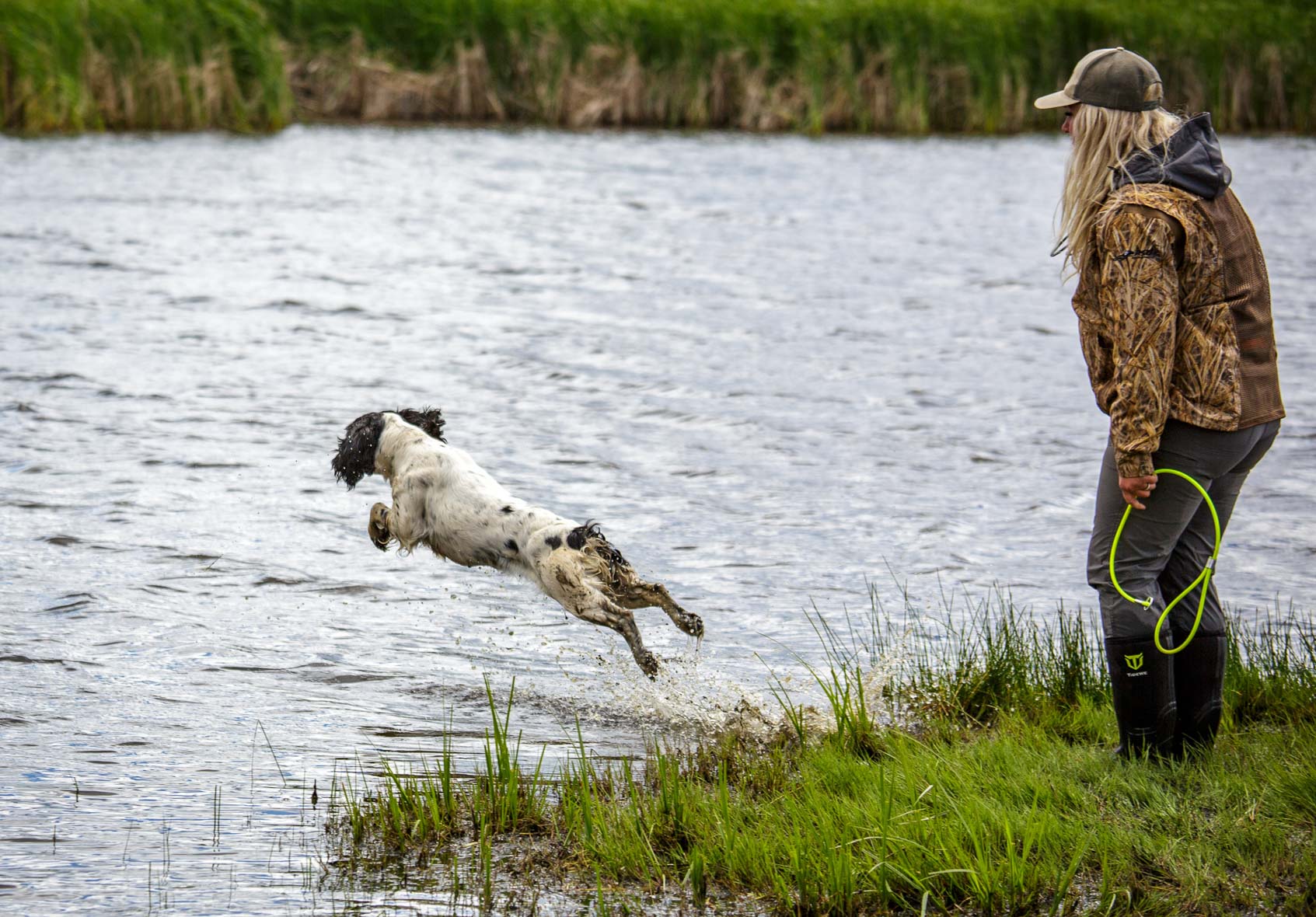
Our retriever program is designed to develop an obedient, reliable hunting companion capable of performing in the uplands, duck blind, water, and hunt-test environment. Standards remain high whether the goal is dependable hunting performance or progression into advanced retriever work.
Retriever training follows a progressive process so obedience, marking, handling, steadiness, and retrieving skills build on one another rather than being taught as isolated exercises.
Retriever Training Progression
- Introduction to ducks, pigeons, and other training birds
- Progressive introduction to gunfire
- Heel, sit, recall, and place
- Swimming and confidence in water
- Fostering natural retrieving desire
- Steadiness to shot
- Properly holding, fetching, and delivering bumpers and birds
- Retrieving on command
- Hunting for and finding birds in cover
- Reliable delivery to hand on land and water
- Progressively longer marked retrieves
- Honoring another dog
- Multiple marks
- Blind retrieves
- Casting and handling at distance
As the work becomes more advanced, the dog learns to remain steady, take direction from the handler, remember multiple falls, and continue working confidently even when the retrieve is not immediately visible.
Performance & Competition Training
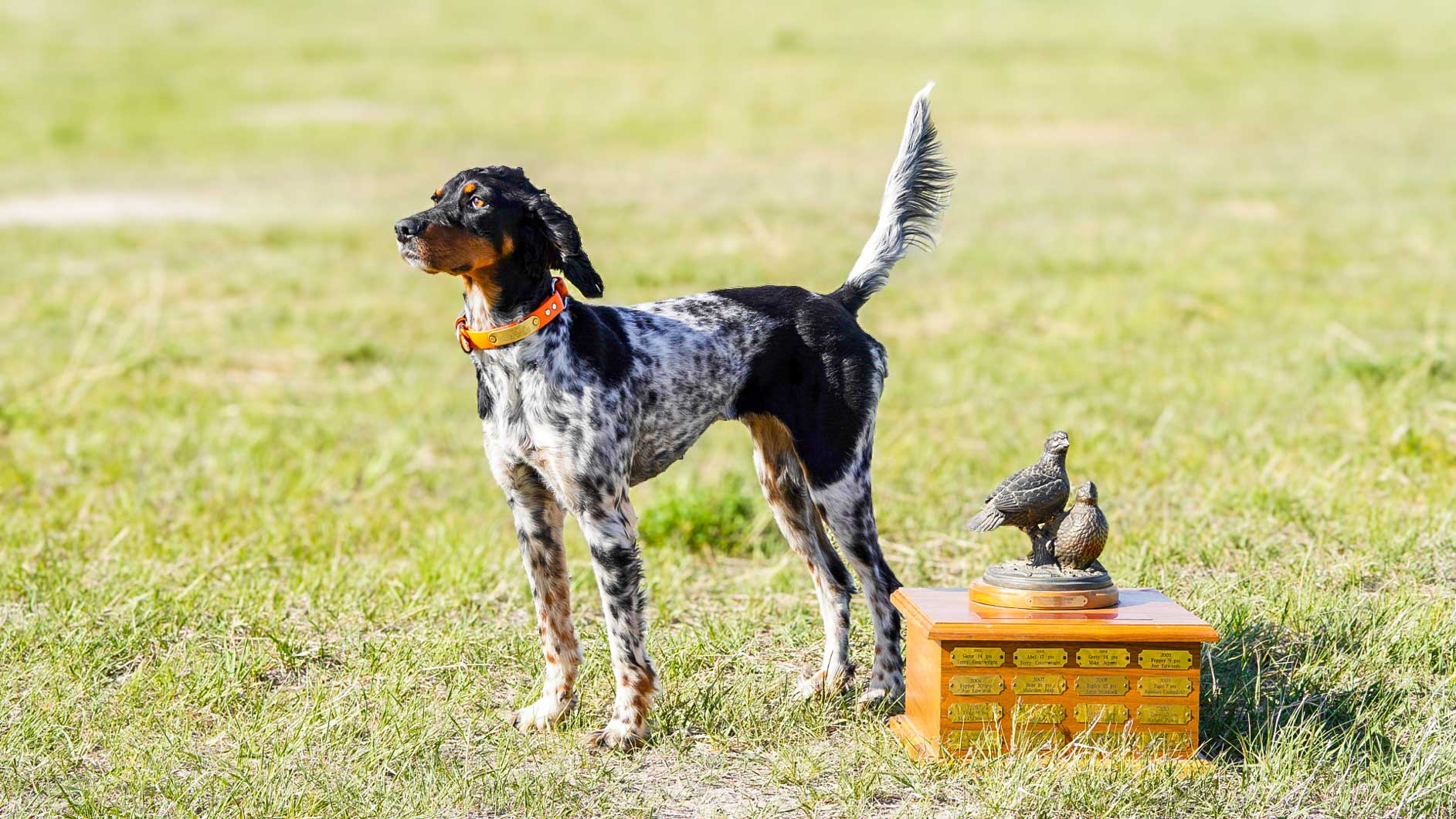
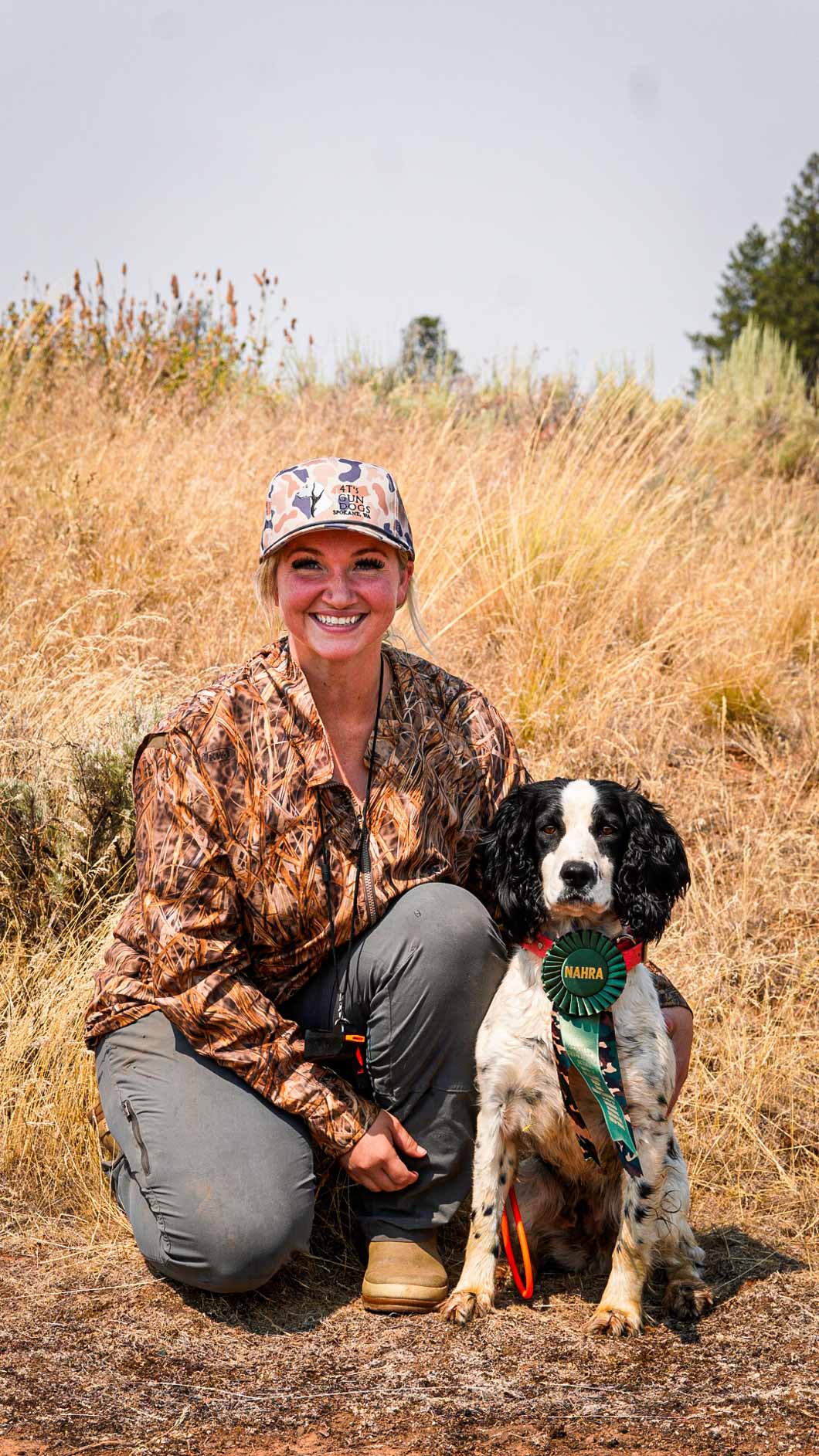
4T’s offers specialized training for AKC and NSTRA pointing field trials as well as AKC, HRC, and NAHRA retriever hunt tests. Competition training goes beyond teaching a dog enough skills to enter an event. We work to help the dog understand how the game is played and develop the confidence, conditioning, handling, and competitive performance needed to succeed.
We also work with owners who want to learn how to handle their own dogs in competition, as well as owners who want 4T’s to campaign a dog on the circuit for them.
Proven Performance Experience
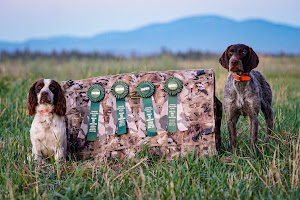
4T’s has earned more than 200 field trial wins, qualified for national events multiple times, and recorded more than 100 hunt test passes while titling retrievers and pointing dogs through multiple organizations.
One of our greatest passions is developing and campaigning dogs for their owners, from building the foundation and learning the game to competing successfully at higher levels.
Our Gun Dog Training Approach
Gun Dog Training Built for Real Hunting
A hunting dog needs more than obedience in a controlled environment. Birds move differently, terrain changes, water creates new challenges, cover varies, and hunting pressure can expose weaknesses that are difficult to see during basic training.
Our programs progressively introduce dogs to the conditions they may encounter in the field. Depending on the discipline and the individual dog, that can include different birds, cover, terrain, water, gunfire, retrieving situations, steadiness, range, handling at distance, honoring other dogs, and changing environmental conditions.
We want each dog to understand its job while retaining the confidence and natural ability that make it effective in the field.
Developing a Dog That Hunts With You
The best hunting dogs learn how to work independently while remaining connected to the hunter. They need enough confidence to search, use their nose, and make decisions while still understanding range, direction, steadiness, recall, and the expectations of the handler.
Breed, temperament, natural ability, drive, experience, terrain, bird species, and the owner’s hunting style all influence how a dog should be developed. We train the dog in front of us rather than trying to make every hunting dog work exactly the same way.
The end goal is a dependable hunting companion that understands the game, knows its job, and works confidently as part of the team.
Which Gun Dog Training Program Is Right for Your Dog?
The right starting point depends on your dog’s breed, age, experience, natural ability, previous training, and what you want to accomplish together. A young pointing dog beginning bird exposure needs a different progression than an experienced retriever working toward blind retrieves or a flushing dog that needs greater steadiness and range control.
Tell us about your dog, what and where you hunt, the training already completed, and your goals. We can help determine the appropriate starting point and training progression.
Gun Dog Training FAQs
Learn more about bird and gunfire introductions, pointing and flushing dogs, retriever development, advanced field work, and performance training with 4T’s Gun Dogs.
What types of gun dogs does 4T’s Gun Dogs train?
4T’s works with pointing dogs, flushing dogs, retrievers, hunting companions, hunt-test dogs, and field-trial or competition dogs. Training recommendations depend on the individual dog’s breed, natural ability, experience, temperament, and the type of hunting or competition the owner plans to pursue.
What is the difference between pointing, flushing, and retriever training?
Pointing dogs are developed to search for game and remain on point until the bird is produced. Flushing dogs generally hunt closer to the gun while searching cover, flushing birds, and retrieving. Retriever programs place greater emphasis on steadiness, marking, water work, blinds, casting, finding downed birds, and dependable delivery to hand.
When should gun dog training begin?
There is no single starting age that fits every dog. Early development can include socialization, confidence, crate training, obedience, recall, and appropriate exposure to new environments. Bird, gunfire, and advanced field work should progress according to the individual dog’s maturity, temperament, confidence, and foundation.
How do you introduce a dog to birds and gunfire?
Bird and gunfire introductions should be progressive and appropriate for the individual dog. The goal is to develop confidence and positive associations rather than overwhelm the dog. A dog’s response to birds, sound, environment, and previous experience helps determine how quickly training progresses.
Do you train dogs for both upland hunting and waterfowl?
Yes. 4T’s develops dogs for upland hunting, waterfowl, retrieving, and versatile field work. Depending on the program, training may include different cover, terrain, bird species, water, steadiness, retrieving, range, marking, and handling skills.
What is included in advanced gun dog training?
Advanced training varies by discipline but may include steadiness to wing and shot, work at distance, range and pattern development, multiple marks, blind retrieves, casting, retrieving to hand, honoring or backing another dog, advanced water work, and experience across different birds, terrain, and hunting conditions.
Does 4T’s train dogs for hunt tests and field trials?
Yes. 4T’s provides performance training for AKC and NSTRA pointing field trials and AKC, HRC, and NAHRA retriever hunt tests. Training is available both for owners who want to learn to handle their own dogs and for dogs being developed and campaigned by 4T’s.
How long does gun dog training take?
Training time depends on the dog’s age, starting point, temperament, natural ability, previous experience, discipline, and owner goals. A young dog beginning birds and gunfire will have a different timeline than an advanced retriever working blinds or a pointing dog being prepared for steadiness and competition.
Gun Dog Training Results
Read experiences from hunters and dog owners who have trusted 4T’s Gun Dogs with pointing dogs, retriever development, field training, hunt-test preparation, competition training, and boarding.