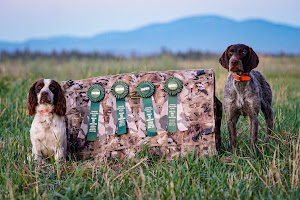
Protection Dog Training
4T’s Gun Dogs develops family protection dogs that combine advanced obedience, stability, confidence, and close-protection training. These dogs are expected to live as controlled family companions while also possessing the courage, awareness, and training required to respond appropriately under handler direction when protection work is required.
Protection work is built on control first. Each dog must demonstrate the temperament, trainability, confidence, and stability necessary for this type of work before progressing into advanced protection training.
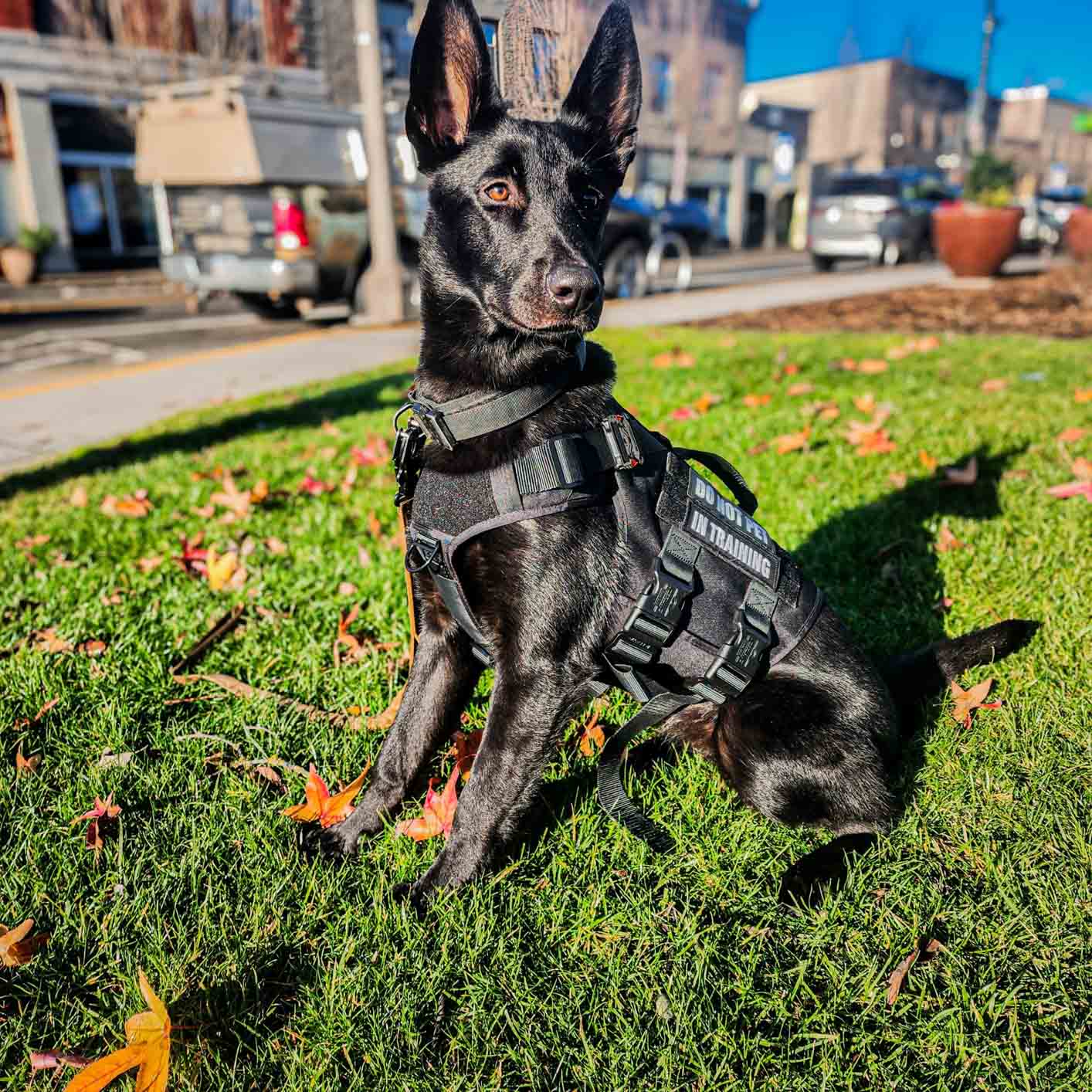
What Family Protection Training Can Include
Family protection dogs receive advanced obedience alongside specialized protection development. The exact progression depends on the dog’s temperament, experience, ability, and the goals of the owner.
- Advanced on-leash and off-leash obedience
- Reliable heel, recall, place, sit, and handler control
- Hands-free obedience when appropriate
- House manners and everyday family behavior
- Socialization and controlled behavior around people and appropriate public environments
- Confidence and environmental stability
- Deterrence and controlled protective presence
- Threat recognition, assessment, and controlled deterrence
- Close-protection training
- Handler-directed protective response
- Reliable disengagement and release on command
- Maintaining obedience before, during, and after protection work
The objective is not uncontrolled aggression. The objective is a stable working dog that understands its responsibilities and remains responsive to the handler throughout the situation.
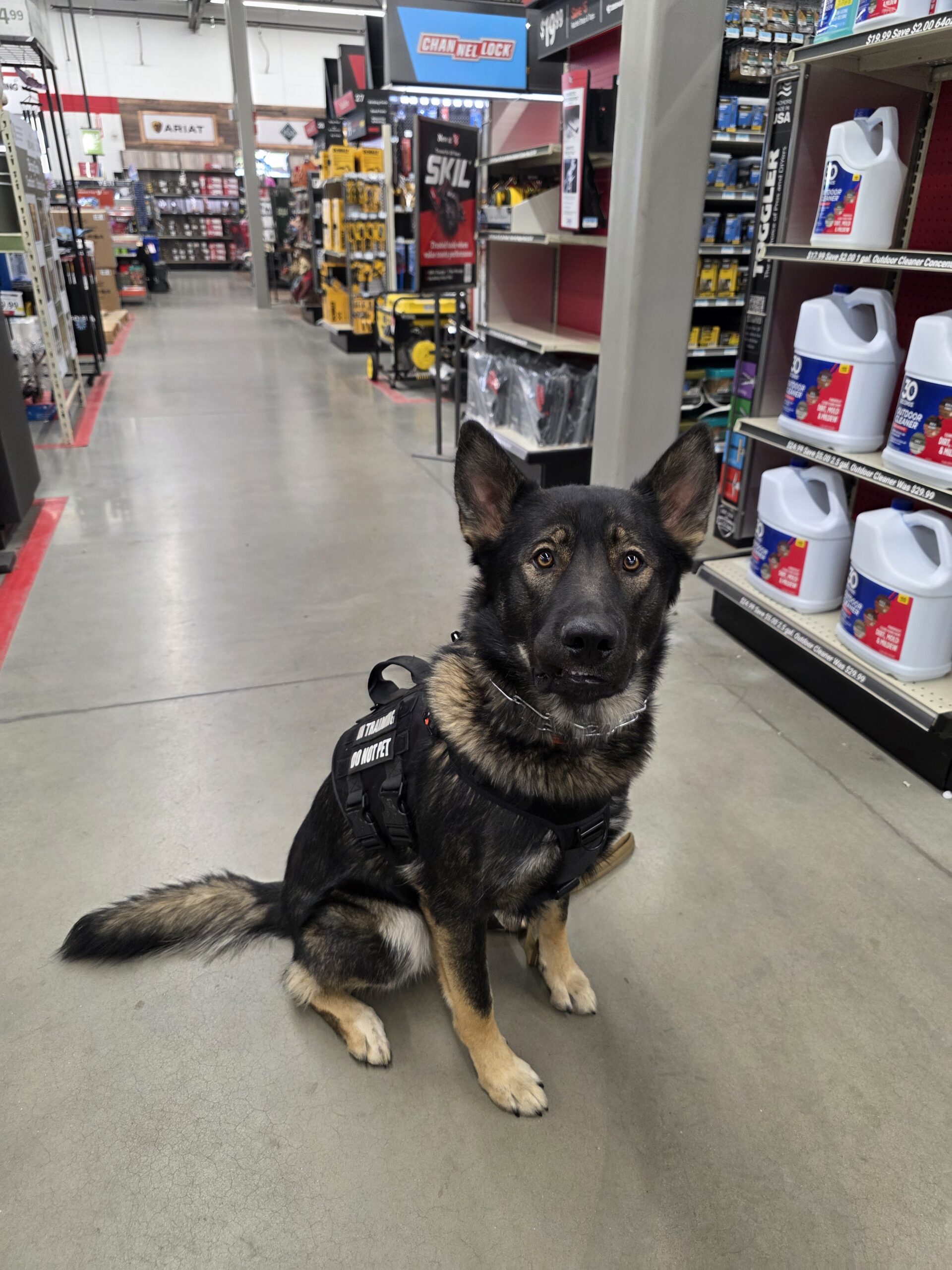
Our Family Protection Dog Training Approach
Family Companion First
A family protection dog must be able to transition between everyday family life and serious working situations. That requires more than drive or confidence. The dog needs clear obedience, stable behavior, appropriate socialization, and the ability to remain composed around normal people, environments, sounds, and daily activity.
Our goal is a dog that can live successfully with its family while remaining responsive and under the handler’s control.
Protection Training With Control
Protection training develops deterrence, close-protection skills, handler-directed responses, and reliable disengagement. The dog must learn not only when to respond, but also when not to respond and how to return immediately to handler control.
Confidence and courage matter, but control, stability, and clear communication between dog and handler are what make a protection dog dependable.
Not Every Dog Is a Protection Dog Candidate
Protection work requires the right combination of confidence, stability, trainability, resilience, and natural ability. A dog that is fearful, unstable, excessively reactive, or unable to recover appropriately from pressure may not be suitable for advanced protection work.
We evaluate the individual dog before determining whether protection training is appropriate and what level of training makes sense.
Training the Owner Matters Too
A trained protection dog is only as effective as the communication between the dog and its handler. Owners need to understand the dog’s obedience, commands, expectations, boundaries, and how to maintain control in everyday situations.
Owner education and handling are an important part of transferring the training successfully from 4T’s to the family.
Is Protection Training Right for Your Dog?
Protection training is highly individual. Breed alone does not determine whether a dog is suitable. Temperament, confidence, stability, age, previous training, natural working ability, relationship with the owner, and intended role all matter.
If you are considering family protection training, tell us about your dog, its training history, behavior, temperament, home environment, and what you want the dog to be capable of doing. We can evaluate the situation and discuss whether protection training is an appropriate next step.
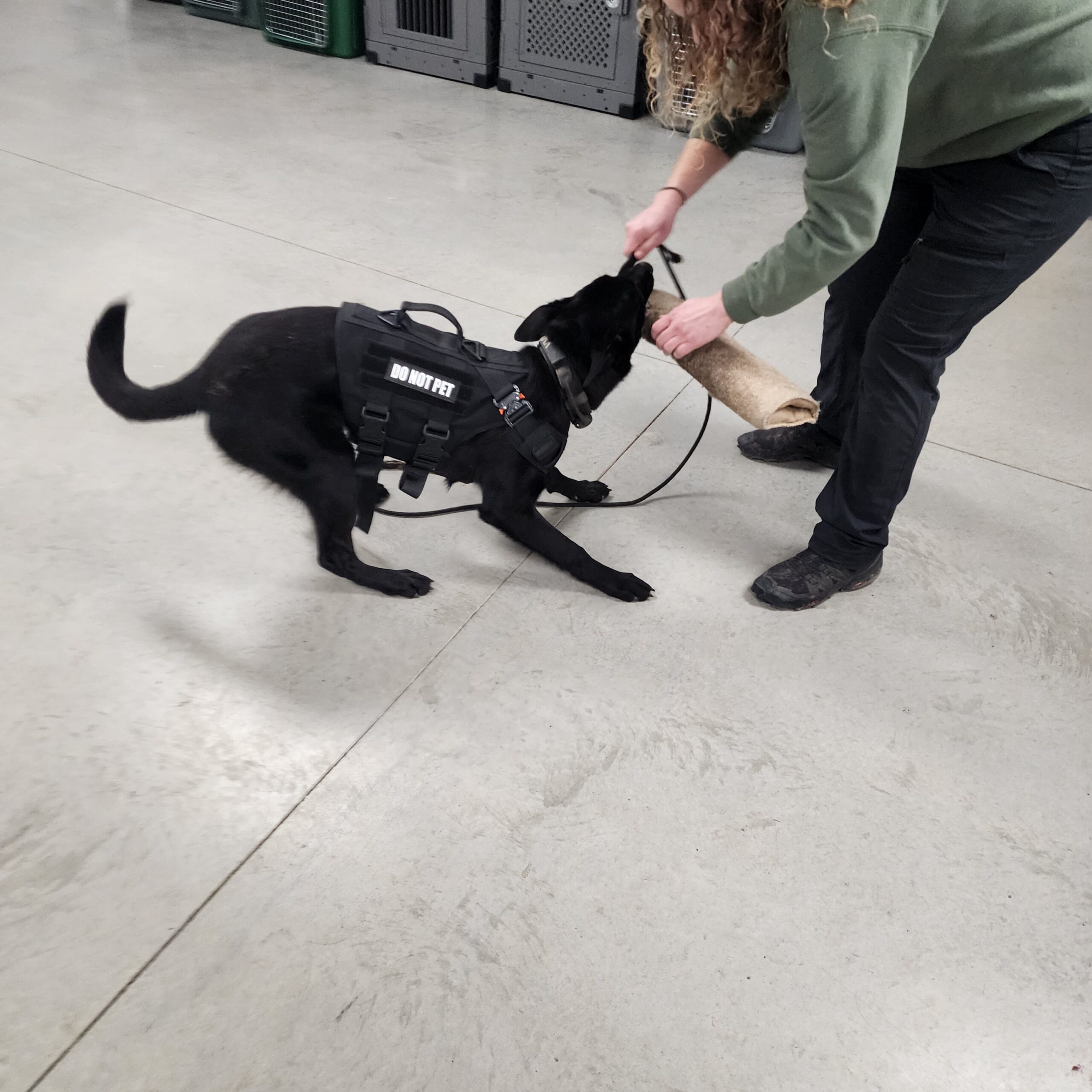
Family Protection Dog Training FAQs
Learn more about protection-dog suitability, obedience, family life, handler control, socialization, and how professional family protection training works.
What is family protection dog training?
Family protection training combines advanced obedience, environmental stability, deterrence, close-protection development, and handler control. The goal is a dog that can function as a reliable family companion while also being trained to respond appropriately under the direction of its handler when protection is required.
Does every dog qualify for protection training?
No. Protection work requires the right temperament, confidence, stability, resilience, trainability, and natural ability. Dogs are evaluated individually before advanced protection work is recommended.
Will protection training make my dog aggressive?
The goal of professional protection training is not uncontrolled aggression. A properly developed protection dog should demonstrate stability, obedience, clear responses to the handler, and the ability to disengage when directed. Dogs that are unstable or unsuitable for this type of work may not be accepted into advanced protection training.
What obedience is included with family protection training?
Protection dogs receive advanced obedience appropriate to the individual dog and program. Training may include heel, sit, recall, place, on-leash and off-leash control, work around distractions, hands-free obedience when appropriate, and maintaining responsiveness in increasingly challenging environments.
Can a family protection dog live as a normal family companion?
That is one of the primary goals of family protection training. Suitable dogs are developed to remain stable and controlled during everyday family life while also learning specialized protection skills. Temperament, household structure, handling, and continued training all play an important role.
Can family protection dogs be trained around children and public environments?
Appropriate socialization and stable behavior around family members, everyday environments, people, sounds, and distractions can be part of the program. Every dog and household is different, so training recommendations are based on the individual dog and the family’s needs. Protection-dog training does not give a dog the legal public-access rights associated with trained service animals.
How do you determine whether a dog is suitable for protection work?
Suitability is based on more than breed. We consider temperament, confidence, environmental stability, recovery from pressure, obedience, trainability, previous experience, natural working ability, and the goals of the owner before recommending a protection-training progression.
How long does protection dog training take?
Training time depends on the dog’s age, previous obedience, temperament, experience, natural ability, and the level of protection work being pursued. Advanced protection training is progressive and should not be rushed before the dog has the obedience, stability, and foundation necessary for reliable work.
Protection & Working Dog Training Results
Read experiences from owners who have trusted 4T’s Gun Dogs with obedience, working-dog development, advanced training, and dependable owner handling.