Blood Tracking Dog Training
4T’s Gun Dogs develops dogs for blood tracking, scent work, game recovery, shed hunting, and specialized hound work. From our Deer Park, Washington facility, we work with dogs from a wide range of breeds and backgrounds to develop the focus, confidence, persistence, and scenting ability needed for real work in the field.
We have trained everything from Rhodesian Ridgebacks and Labrador Retrievers to Dachshunds and Coonhounds for blood tracking and game-recovery work. Training is tailored to the individual dog, its natural ability, experience, and the job the owner wants it to perform.
Need Game Recovery Assistance?
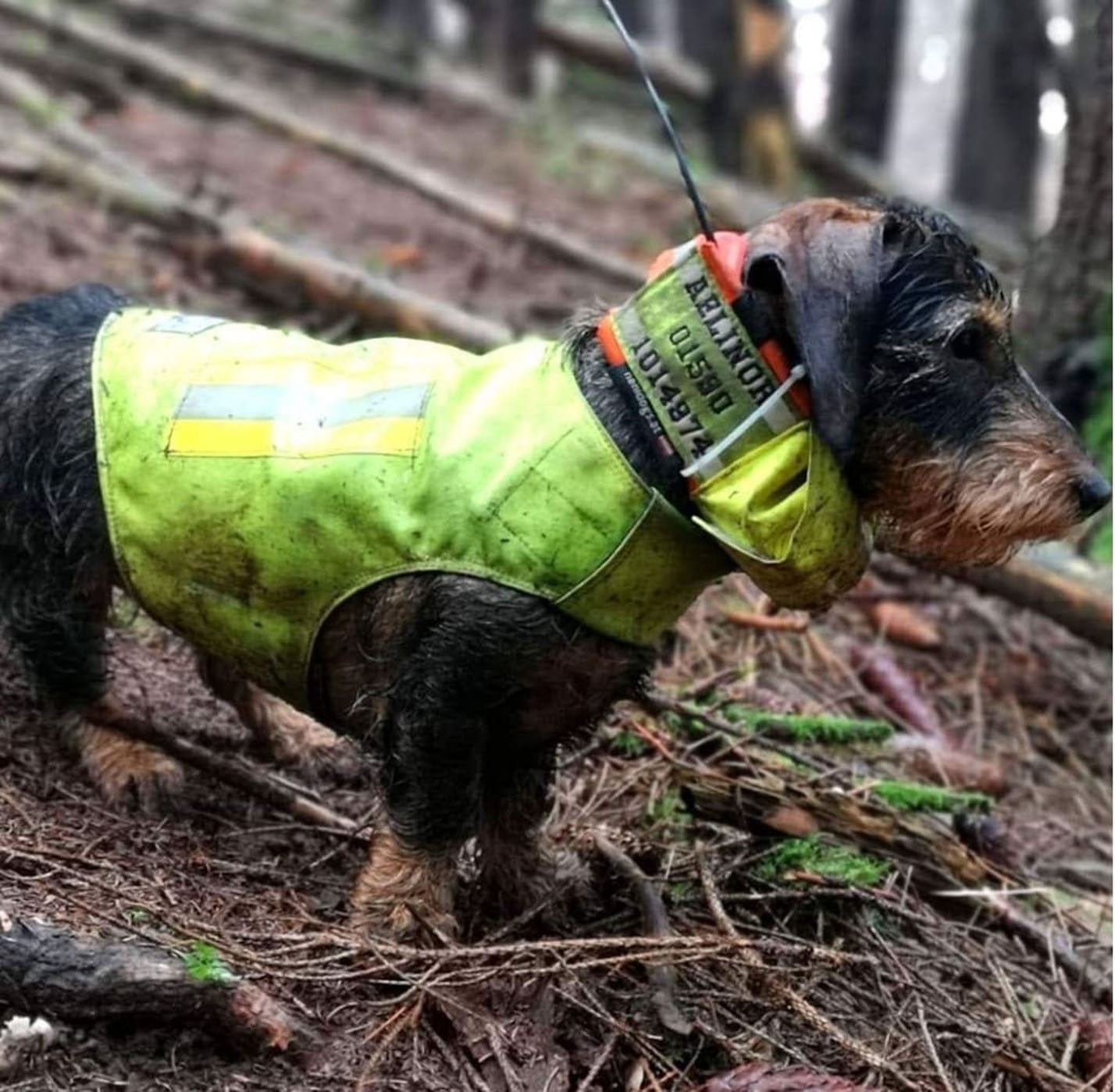
4T’s Gun Dogs offers game-recovery assistance using our trained Teckels and Jagdterriers. Call or text us as soon as possible to discuss the circumstances and whether we may be able to assist.
Blood Tracking, Recovery & Scent Work
From developing a dependable blood tracking dog to preparing a dog for shed hunting or demanding field work, each program is built around the individual dog, its natural ability, and the job it needs to perform.
Blood Tracking & Scent Work
Developing scent recognition, trail commitment, persistence, and controlled tracking for dogs learning to locate wounded game and follow increasingly challenging scent trails.
Shed Hunting
Scent and search training that teaches dogs to locate naturally shed antlers while developing persistence, confidence, and productive searching in realistic terrain and cover.
Game Recovery
Practical scent and tracking development focused on locating wounded game and working methodically through cover, terrain, changing scent conditions, and distractions.
Developing a Reliable Blood Tracking Dog
Blood tracking is more than teaching a dog to put its nose to the ground. A useful tracking dog needs to understand which scent matters, remain committed when the trail becomes difficult, work through distractions, and continue searching when scent conditions change.
Training is progressed according to the individual dog. Depending on its experience and goals, work may include scent introduction, short controlled tracks, increasing track age and distance, changes in direction, different types of cover and terrain, distractions, line handling, and realistic field scenarios.
Natural ability matters, but repetition, experience, confidence, and a clear understanding of the task are what turn that ability into dependable field performance.
Game Recovery & Retrieval Service
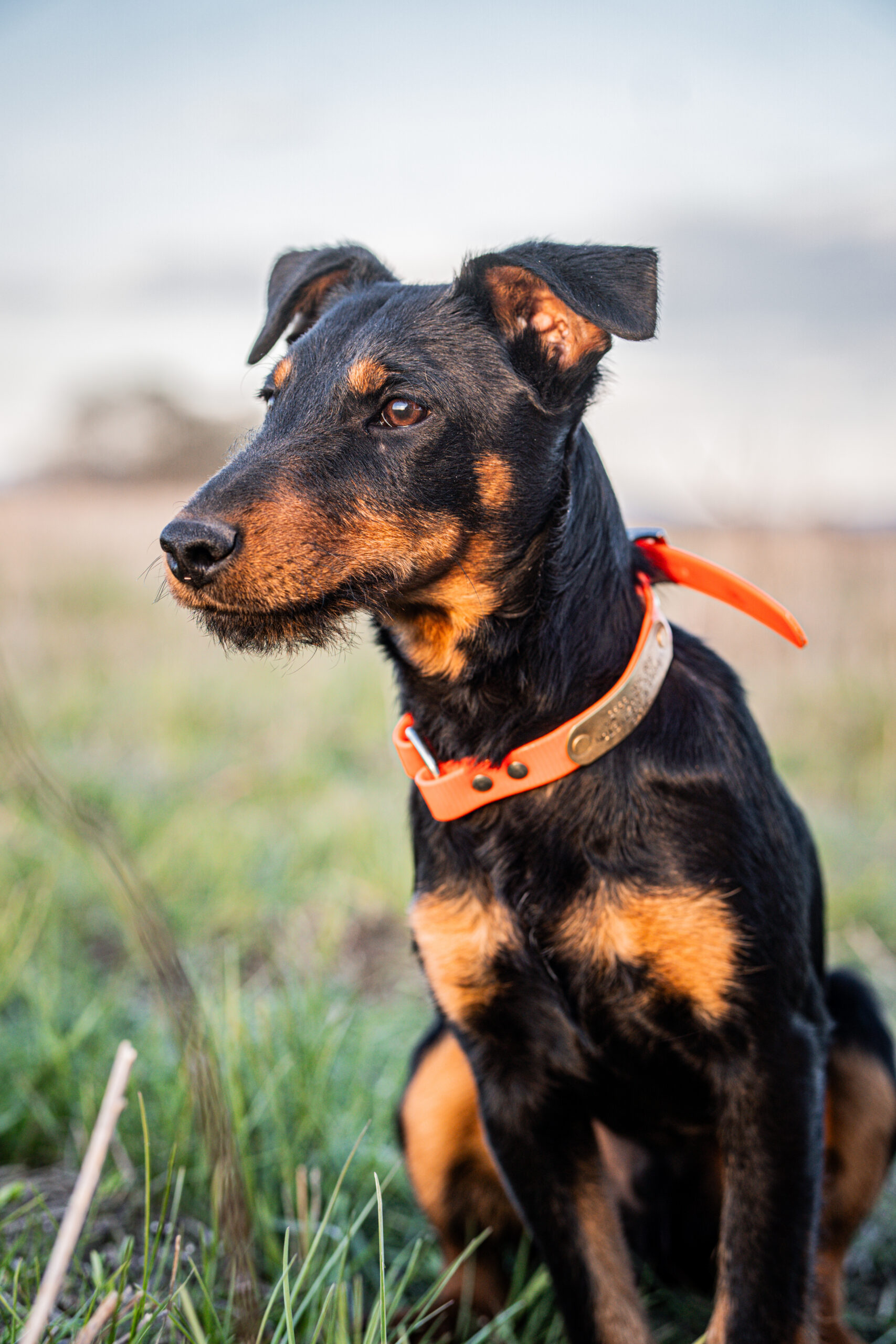
4T’s Gun Dogs offers game-recovery assistance using our trained Teckels and Jagdterriers. These dogs are developed specifically for scent work and tracking situations where locating wounded game can become difficult.
Successful recovery can depend on the circumstances of the shot, elapsed time, terrain, cover, weather, scent conditions, and what has happened on the trail before the tracking dog arrives.
If you need game-recovery assistance, call or text 4T’s as soon as possible with the location, circumstances, time since the shot, and any information you have about the trail. Game-recovery laws and requirements can vary by location, species, season, and circumstances, and hunters are responsible for following applicable wildlife and land-access regulations.
Shed Hunting Dog Training
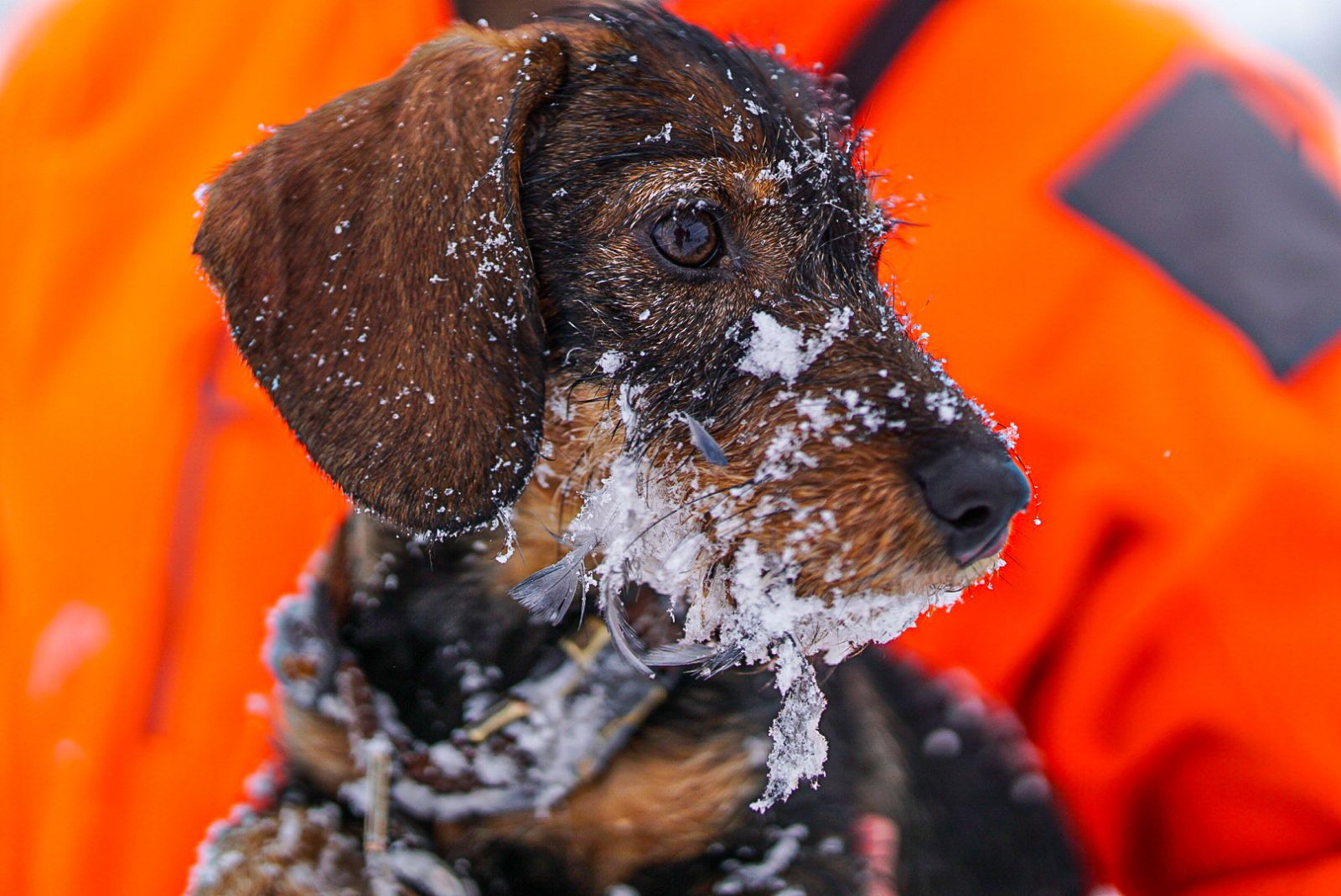
Shed hunting gives dogs another purposeful way to use their nose, search drive, and natural retrieving instincts. 4T’s trains dogs to recognize shed antlers as the target scent, search productively, locate sheds, and retrieve or indicate the find based on the training goals.
Training can progress from controlled scent and antler introductions into larger search areas, different terrain and cover, longer searches, distractions, and increasingly realistic field conditions.
As with blood tracking, the progression is tailored to the individual dog, its experience, natural ability, confidence, and the goals of the owner.
Our Blood Tracking Training Approach
Build the Scent Foundation
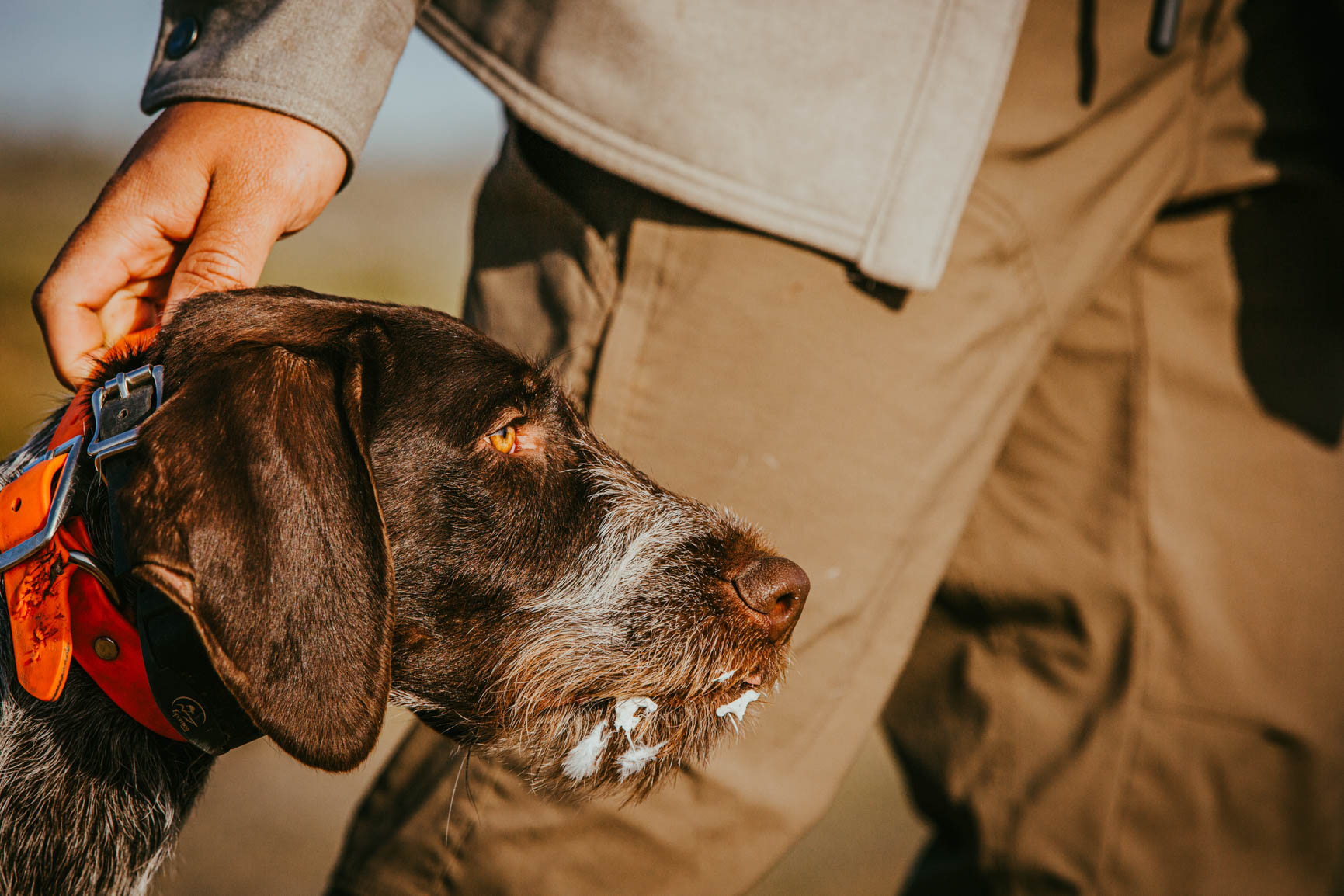
Tracking work begins by helping the dog understand which scent and task matter. Early training should build interest, confidence, and commitment without making the work unnecessarily complicated before the dog understands the objective.
Progress to Realistic Tracks
As the dog understands the work, difficulty can increase through longer or older tracks, changing terrain, cover, direction, distractions, and other variables that more closely resemble real tracking conditions.
Work With the Individual Dog
Different dogs track differently. Breed, temperament, drive, experience, confidence, physical ability, and natural scenting style all influence how training should progress. We develop the dog in front of us rather than forcing every dog through exactly the same progression.
Prepare for Real Field Conditions
Real tracking rarely happens under perfect conditions. Terrain, vegetation, weather, distractions, elapsed time, and other scent can all affect the trail. Progressive exposure helps prepare the dog to remain focused and work through increasingly realistic challenges.
Blood Tracking Dogs Come in Many Breeds
There is no single breed that owns scent work. 4T’s has trained dogs ranging from Rhodesian Ridgebacks and Labrador Retrievers to Dachshunds and Coonhounds for blood tracking, scent work, and game recovery.
Breed can influence size, working style, drive, range, and natural tendencies, but we evaluate the dog in front of us. Scenting ability, persistence, confidence, trainability, physical capability, and the owner’s goals all help determine the right training progression.
Is Blood Tracking Training Right for Your Dog?
Blood tracking and scent work can be developed in many different breeds, but the right program depends on the individual dog and what you want it to accomplish. Age, temperament, previous training, scenting ability, persistence, physical condition, and field experience can all affect the training progression.
Tell us about your dog, its breed, age, previous training, and whether your goals involve blood tracking, game recovery, shed hunting, or hound work. We can discuss where your dog should begin.
Blood Tracking Dog Training FAQs
Learn more about blood tracking, scent work, game recovery, shed hunting, suitable breeds, and how tracking dogs are developed for practical field work.
What is blood tracking dog training?
Blood tracking training teaches a dog to identify and remain committed to the scent trail associated with wounded game. Training progresses from controlled scent work toward increasingly realistic tracks involving changes in distance, terrain, cover, distractions, and other field conditions.
What breeds can be trained for blood tracking?
Many breeds can develop useful scent-tracking skills. 4T’s has worked with breeds ranging from Rhodesian Ridgebacks and Labrador Retrievers to Dachshunds and Coonhounds. Breed matters, but temperament, scenting ability, persistence, confidence, physical capability, and trainability are also important.
Does 4T’s offer game-recovery services?
Yes. 4T’s now offers game-recovery assistance using trained Teckels and Jagdterriers. Call or text us as soon as possible to discuss the circumstances, location, timing, and whether we may be able to assist.
Can you train my dog to find shed antlers?
Yes. Shed hunting training develops scent recognition, searching, persistence, and retrieving or indicating found antlers. Training can progress from controlled introductions into increasingly realistic searches across different terrain and cover.
Can the same dog be trained for blood tracking and shed hunting?
Potentially. Both activities use a dog’s scenting ability, but they are distinct tasks with different target scents and expectations. Whether training for both makes sense depends on the individual dog, its experience, and the owner’s goals.
How do you make blood tracking more difficult as a dog progresses?
Difficulty can be increased gradually through factors such as track age, distance, direction changes, terrain, vegetation, environmental conditions, and distractions. Training should progress according to the individual dog rather than increasing difficulty before the dog understands the work.
Is using a dog to recover wounded game legal?
Rules vary by state, species, season, location, and circumstances. Hunters should always check current wildlife regulations and land-access requirements before using a tracking dog or requesting a game-recovery service.
How long does blood tracking dog training take?
The timeline depends on the dog’s age, experience, natural scenting ability, temperament, consistency, and the level of work being pursued. A dog beginning scent foundations will have a different progression than an experienced tracking dog being prepared for increasingly difficult field conditions.
Blood Tracking & Dog Training Results
Read experiences from owners who have trusted 4T’s Gun Dogs with scent work, hunting-dog development, obedience, advanced training, and practical field preparation.